Plumbing problems rarely pick a convenient moment. A pipe bursts late at night, the only toilet blocks just before guests arrive or you wake up to no heating in the middle of winter. When that happens, it is hard to know whether to call someone straight away or wait until the morning.
So what counts as a plumbing emergency? Not every problem needs an engineer at 2am. This guide explains which issues are genuinely urgent, which can wait and what to do in the meantime to protect your home.
What counts as a plumbing emergency?
A plumbing emergency is any problem that puts your home, your health or your safety at immediate risk, or one that will quickly get worse if it is left.
As a rule, treat it as an emergency if it:
- Causes water to leak or flood that you cannot control
- Creates a hygiene risk, such as sewage or dirty water backing up
- Leaves you without water, heating or a working toilet
- Could damage the structure of the building or reach electrics
In any of these situations, call an emergency plumber whatever the time of day. Waiting usually means more damage and a bigger repair bill.
Common plumbing emergencies
Burst pipes and serious leaks
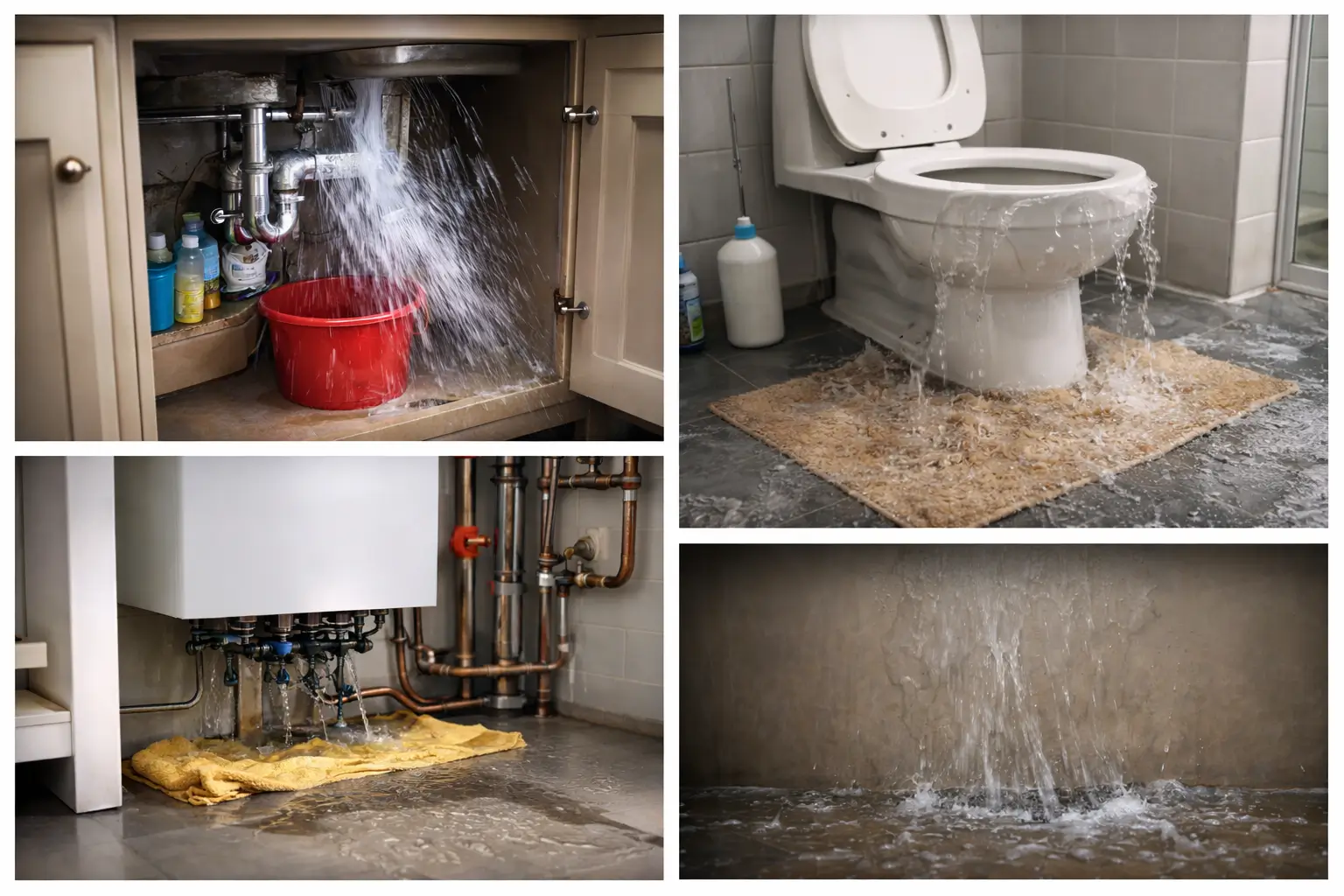
Burst pipes and major leaks can release a lot of water very quickly, leading to flooding and damage to ceilings, floors and belongings. Pipes are most likely to burst in cold weather, when water inside them freezes and expands.
Turn the water off at the stopcock straight away. If you cannot stop the water, treat it as urgent and call for help.
Blocked drains and backups
A slow-draining sink is a nuisance. Dirty water coming back up through toilets, showers or basins is an emergency.
Backups like this can spread bacteria, cause bad odours and damage floors. Stop using water in the property and call for emergency drainage help to clear the blockage safely.
No heating or hot water
Losing heating or hot water is more than an inconvenience in winter, especially for elderly people, young children or anyone who is unwell. A boiler breakdown is one of the most common reasons people call out of hours.
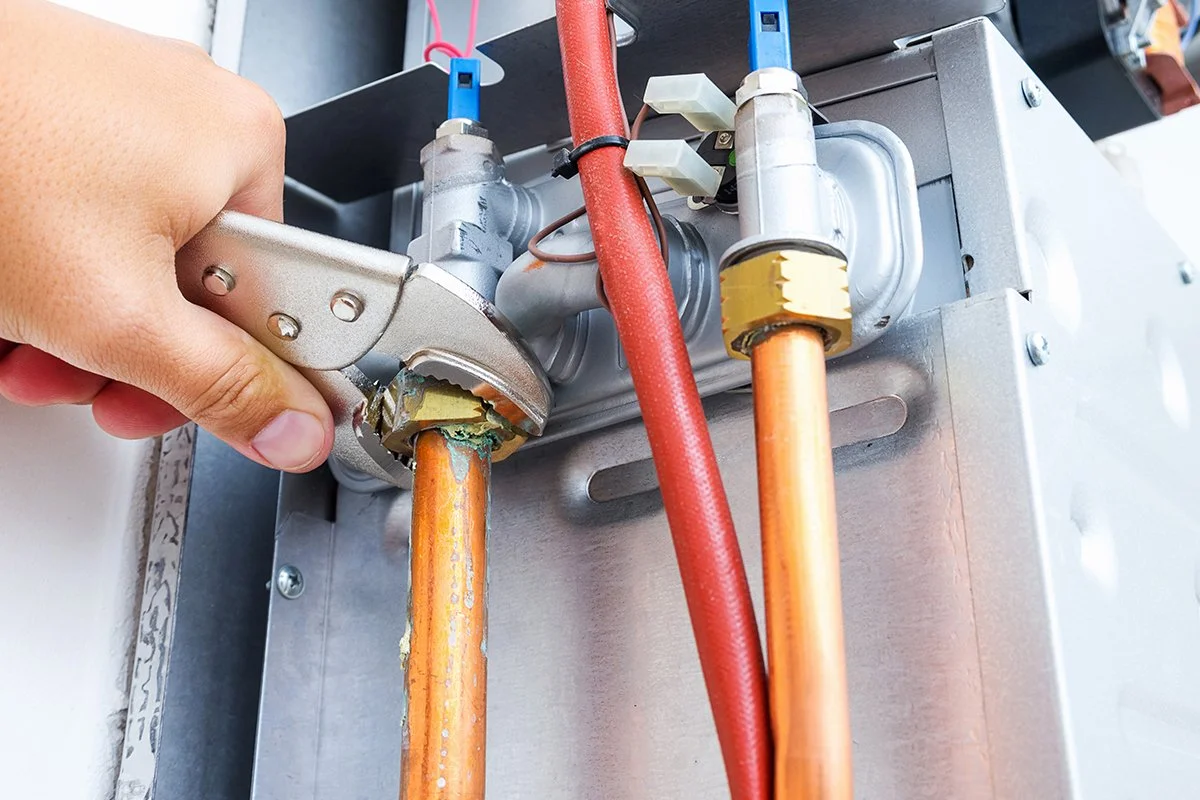
Check the boiler pressure and look for a fault code first. If it still will not fire up, book a boiler repair with a Gas Safe registered engineer.
If you smell gas
A suspected gas leak is always an emergency. If it is safe, turn off the gas at the meter and open windows. Avoid switches and flames, leave the property and call the National Gas Emergency Service on 0800 111 999. Repairs need a Gas Safe registered engineer.
Emergencies we often see
Plumbing emergencies are not always dramatic floods. Often they are everyday problems that happen at the worst possible time and cannot wait.
A common call is from someone whose only toilet has stopped working, or who has a blockage that needs clearing that day. Others ring after spotting water coming through a ceiling, which could cause far more damage if it were left overnight.
In each case, getting the right advice quickly and an engineer out when it is needed, including evenings and weekends, makes a real difference to how much damage is done.
Is a water leak always an emergency?
Not every leak needs an emergency call-out, but many do.
Treat a water leak as an emergency if it is:
- Constant or getting worse
- Causing visible damage
- Coming through ceilings, walls or floors
- Near sockets, lights or other electrics
A slow drip can usually wait for a planned plumbing repair. If you cannot find where the water is coming from, leak detection can trace it without pulling up floors.
Emergency or non-emergency?
Emergencies include burst pipes, sewage backing up, no working toilet, major leaks and losing heating in cold weather.
Non-emergencies include dripping taps, low water pressure, cosmetic work and planned upgrades that do not put anything at risk.
If a problem affects safety or hygiene, or is actively causing damage, treat it as an emergency.
Do you need an out-of-hours plumber?
Plumbing problems do not keep office hours. Many happen late at night, early in the morning or at the weekend.
If the problem is on the emergency list above, do not wait for Monday. A 24-hour plumber can stop the damage now and arrange any follow-up work at a better time.
Plumbing emergency checklist
If you have a sudden plumbing problem:
- Turn off the water at the stopcock (often under the kitchen sink)
- Switch off electrics near the water at the consumer unit, if it is safe to do so
- Stop using the affected toilets, taps or appliances
- Catch or soak up water with buckets and towels
- Call an emergency plumber for help
Acting quickly can greatly reduce the damage and the cost of the repair.
Frequently asked questions
What counts as a plumbing emergency?
Any problem that puts your property, health or safety at immediate risk, such as a burst pipe, sewage backing up, no working toilet or no heating in cold weather.
Should I call an emergency plumber at night?
Yes, if there is flooding, a heating failure in cold weather or a sanitation problem. These are best dealt with straight away rather than left until morning.
Is a blocked toilet an emergency?
It is if it is the only toilet in the property or if waste water is backing up. In either case, call an emergency plumber rather than waiting.
Can a plumbing problem wait until Monday?
Minor issues such as a dripping tap can wait. Leaks, drainage backups and loss of heating should be dealt with as soon as possible. If in doubt, call Jennings on 020 3280 8997 for advice.
What is the difference between same-day and emergency plumbing?
Same-day plumbing is for problems that are urgent but stable. Emergency plumbing is for situations where damage or risk is happening right now.